 |
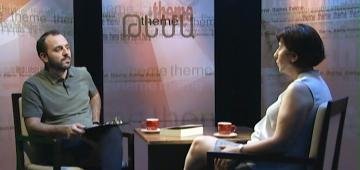
Exile literature. the novel of fruitless space and timeVache Sargsyan's novel "Akeghdama" written in the 1960s has been published, which is the artistic image of the author's exile experience. What was the purpose of these works of Soviet literature? What are their psychological and artistic features? How relevant are they today? Hayk Hambardzumyan talked about these issues with literary critic Siranush Dvoyan.
|
 |
Conditions for Following Jesus (Matt. 16: 13-27; Mark 8: 27-38; Luke 9: 18-26) Part 1
What question does Jesus ask His disciples about His identity? How does He chart the way of each Christian's cross? Rev. Fr. Archimandrite Ruben Zargaryan speaks on this.
|
 |
One Who Sows Wind Will Reap Storm
Why has speech become an instrument of lies and violence today? How to search for the truth through words? Rev. Fr. Archimandrite Ruben Zargaryan speaks on this.
|
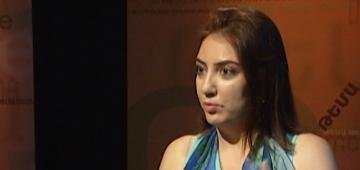 |
Decorative-applied art: presentation and publicityThe National Gallery of Armenia is preparing "Color Visions from Ancient Rome: Mosaics from the Capitol Museum ”exhibition, which will feature remarkable mosaics from the Roman period. How did the exhibition become possible, what works of decorative-applied art are kept, displayed in the National Gallery, how is it possible to present them properly and make them public? Hayk Hambardzumyan talked about these issues with Satenik Chugaszyan, an art critic and head of the gallery's decorative-applied arts department.
|
 |
Conditions for Following Jesus (Matt. 16: 13-27; Mark 8: 27-38; Luke 9: 18-26) Part 2What question does Jesus ask His disciples about His identity? How does He chart the way to the cross of each Christian? What is the place of the Transfiguration in the Gospels? Rev. Fr. Archimandrite Ruben Zargaryan speaks on this.
|
 |
"Sasna Tsrer" - eternal knowledge and the sacred story of the ancestorsHow familiar are our people with the epic, what does the reading of the oral versions of the "Sasna Tsrer" epic give, what is the epic in the process of live storytelling, how do the novelists treat the epic? As an old conversation, as a sacred story or a fairy tale? Hayk Hambardzumyan talked about these issues with philologist Arusyak Sahakyan.
|
 |
"Sasna Tsrer" - a model of statehoodWhat is the ideology of the epic, how modern are the ideas realized in the epic, what model of statehood does "Sasna Tsrer" represent? What does the epic say to us and the world today? Hayk Hambardzumyan talked about these issues with philologist Arusyak Sahakyan.
|
 |
The Transfiguration of Jesus and The Suffering of the World (Matt. 17: 1-13; Mark 9: 1-12; Luke 9: 28-36) Part 1How does the Feast of the Transfiguration symbolize the sacraments of baptism, crucifixion, and resurrection at the same time? What significance does it have for our prospect of salvation and eternal life? Rev. Fr. Archimandrite Ruben Zargaryan speaks on this.
|
 |
Jesus' transfiguration and the suffering of the world. — Matthew 17: 1-13; Mark 9: 1-12; Part 2How does the Feast of the Transfiguration or Assumption symbolize the sacraments of baptism, crucifixion, and resurrection at the same time? What significance does it have for our prospect of salvation and eternal life? Rev. Fr. Archimandrite Ruben Zargaryan speaks on this.
|
 |
Medieval Armenian literature and theologyThe rich literary heritage of the Armenian Middle Ages has been little studied with a broad theological perspective. What new discoveries can be made as a result of such studies? In what direction are medieval studies and Armenology developing in Armenia and abroad today? What research is needed? Hayk Hambardzumyan talked about these issues with Armenologist, theologian Abraham Teryan.
|
 |
Come to me. Part 1 (Matt. 11: 28-30)Why does Christ call all the burdened and weary people to Him, what peace does He promise them? Why does He speak of meekness and humility of heart? Rev. Fr. Archimandrite Ruben Zargaryan speaks on this. |
 |
Faith and Love
What is faith, how to see and accept the existence of faith? Rev. Fr. Archimandrite Ruben Zargaryan speaks on this.
|