 |
Chronicle of the war unstarted and unfinishedArtsakh war marked its 20th anniversary of the ceasefire, however the peace is still far off.
|
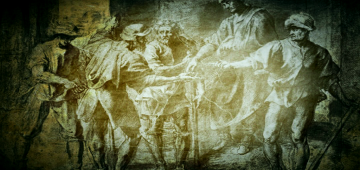 |
The Parable of LabourersOne morning a householder went out to look for labourers for his garden. He agreed on a daily fee with them – one penny. However, after the labourers finish the work, many of them complain. In the Gospel parable, the garden symbolizes the Kingdom of God. Why are the labourers dissatisfied, what does the householder answer them? Markos Mangasaryan provides explanations. |
 |
Edik Minasyan – part 2Why are the participants of national heroic war ignored? How impartial and objective do the historians record, in particular the historical events of recent times? How shall we perceive the decision to install the monument of Anastas Mikoyan, the discredited figure of USSR, in Yerevan? Rev. Fr. Ruben Zargarian hosts Edik Minasyan, PhD in History.
|
 |
Museum Nights and daytimes“Museums unite us”. This was the heading of the Museum Night action held for the tenth time. The event outspreads its boundaries every year, the list of participant museums expands. However, the museums also have numerous other functions and their implementations issues that are not solved through one action, not even for months and years. Hayk Hambardzumyan talked about the festive nights and non-festive daytimes of museums with Marine Haroyan, President of the Armenia National Committee of International Council of Museums (ICOM).
|
 |
Seyran Ohanyan“Army is our home, our castle”: this is the title of the message delivered by the Minister of Defense of Armenia, Seyran Ohanyan on the eve of New Year, 2014.
|
 |
Applicability of a Fairy Tale“Once upon a time”, “three apples fell from heaven” – these formula of a fairy tale are familiar to all of us. The child listener walks through the wonderous world of a fairy tale to reach the bigger world, on its way to settle down. In this respect, it is very important what tales do our children read and listen to.
|
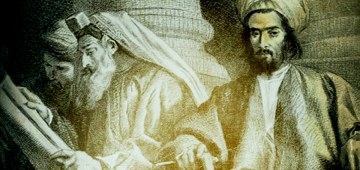 |
The Parable of the Pharisee and the Tax CollectorThe Pharisee and the tax collector pray in the Church. One stands proudly in a secluded area and the other one doesn’t even lift up his eyes. What did the Pharisee and the tax collector ask from the Lord and what answer did they get?
|
 |
ToufayansToufayan family residing in America implements large-scale charity program in Armenia and Diaspora. Armenian Church Youth Center “Hratch and Susan Toufayan” operates under the auspices of the Mother See with their support. Under the same roof, socially insecure families use the services of charity canteen. It was through Toufayans’ philanthropy that the Kindergarten of Zangakatun community in Ararat Marz was fully renovated and equipped. Toufayan family also sponsors allocation of student scholarships. All the family members are actively involved in the Church and community life. St. Harutyun Church in Florida was actually built with Hratch Toufayan’s support. They also implemented a number of program in collaboration with the ARF of the Eastern Diocese of America.
|
 |
Edik MinasyanHow do we value the victories of May and the heroes of the freedom fightings? How the liberation of Shushi was organized, which played crucial role in Artsakh war? What was the role of the Shushi special military company headed by Zhirayr Sefilyan?
|
 |
Relationship of feast and mourning in the culture of memoryA number of groundbreaking events of the Armenian history took place in April and May. The commemoration of the Geniced is followed by the May of victories – liveration of Shushi, Victory Day of the Great World War II, the heroic battle of Avaray and then the days of declaring the very first ever Republic of Armenia. How do sequencing of these victories and losses take place, how do our own holidays and commemoration ceremonies interrelate? Hayk Hambardzumyan talked about these issues with ethnologist, PhD in History, Harutyun Marutyan. |
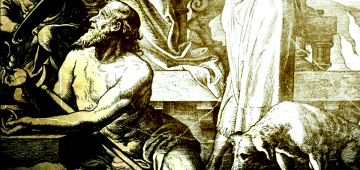 |
The Parable of LazarusThe Gospels tell about a rich man, who was clothed in purple and fine linen and fared sumptuously every day. And there was a certain poor man named Lazarus which was laid at his door and covered with sores waiting for bread crumbs.
|
 |
America-based Armenian Studies: past and presentThe Society for Armenian Studies was founded in 1974 by a group of scholars from well-known universities on the initiative of professor Richard G. Hovannisian.
|