
 |
Deacon Narek Kirakosyan
Deacon Narek sings in Etchmiadzin Choir, masters a few instruments – reedpipe, guitar, duduk. “I can’t imagine my life without music”, - says Narek, - “creativity is the biggest gift ever given to men, an opportunity of self-expression and self-recognition”.
|
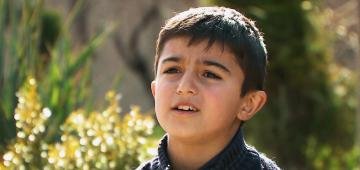 |
Yura
Yura doesn’t imagine his day without St. Gevorg Church. “Every morning I first run to the Church, then to school… I dream of becoming a priest; I know that I need to study well”.
|
 |
Science Sponsered
In terms of state funding allocated to science, Armenia occupies the last spot in the region. As per the Government 2018-2020 mid-term expenditure program, state financing of science will be reduced again. Under these circumstances, those engaged in science try to cover financial issues with the help of various grant program. The National Fund for Science and Education of the Armenian Relief Fund, operating under the auspices of the US Eastern Diocese of the Armenian Church, has been providing grants to Armenian scholars for the last 18 years. What does the fund's work in the Armenian scientific environment change?
|
 |
The Laws and Economy of the First Republic
The first Republic of Armenia was a parliamentary democratic state, which following its establishmend, created state government bodies at the cost of big efforts, tried to get the country out of chaos and anarchy, solve hunger and refugee issues, set up financial and economic structures, educational and cultural centers. The leaders of the First Republic worked hard to bring Armenian businessmen and intellectuals working abroad to Armenia, who wanted to enjoy independent Armenia from outside as then Prime Minister Simon Vratsyan thought. In the two and a half years of the existence of the Republic, what did the government of time create, which, according to Commissar Haskel, was a short-sighted government of teachers?
|
 |
Agnesa
Every Sunday, little Agnesa is singing in the choir of St. Hovhannes Church of Arinj.
Our little heroe is telling how she coped with the issues of sharakans (spiritual songs), how she attends Liturgies and what she does in general.
|
 |
Christian Education Center organized a training course for the teachers
On February 22, in the Prelacy of Armavir Diocese a training course was conducted for the teachers of Sunday schools and those teaching Armenian Church History. The training dedicated to the Great Lent was organized by the Christian Education Center of the Mother See.
|
 |
A monograph was written on the life and activities of cellist Medea Abrahamyan
Medea Abrahamyan is 85 years old: the monograph dedicated to the famous cellist was presented at her jubilee ceremony.
|
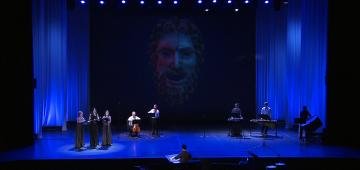 |
Hover State Chamber Choir is 25 years old
On September 25, Hover State Chamber Choir celebrated the 25th anniversary of its establishment. The fans of Choir art enjoyed classic and contemporary compositions of Armenian and foreign composers in Opera Theatre. The songs by Steve Wander and The Beatles were presented in a new and interesting manner.
|
 |
February 12 is Hrant Matevosyan’s birthday
February 12 is Hrant Matevosyan’s birthday: the writer would turn 83. His relatives, friends and readers congregated in Komitas Pantheon.
|
 |
Melik Village
After the re-consecration of St. Hovhannes Church the daily routine of Melik village changed. A Church choir was established and despite the severe winter, children congregate here every week. During our shooting, they were traveling in the village by groups and giving the Good Tiding from house to house.
|
 |
Hamazasp Hambardzumyan
The history of Hambardzumyan family is not presented in historical chronicles. The legends and myths about their family were transferred by family members, from generation to generation. The first intellectual of the kin was Hamazasp Hambardzumyan. He witnessed the opening of Byurakan Observatory, the glory and recognition of his son – the most acclaimed Armenian scientist in those years, and personally leaving traces in the Armenian culture.
|
 |
The Second Epistle to the Thessalonians (2:1-3)
What is the purpose of evil, how does it act?
Father Arnak Harutyunyan interprets the verses 2:1-3 from the second epistle of Apostle Paul to the Thessalonians.
|