 |
Unpublished Inheritence of Paruyr SevakIn 2015, after many decades in obscurity, the novel “Amanej” by Paruyr Sevak was published. This was an unexpected revelation for the fans of Sevak’s work. Hayk Hambardzumyan spoke about the novel, as well as the timeliness or modernity of Sevak’s compositions with literary critic Sevak Ghazaryan. |
 |
guest: Samvel DanielyanRev. Fr. Zargarian hosts Dr. Samvel Danielyan, the President of Armenian Association of Hematology and Oncology (AAHO). The conversation addresses the reforms and achievements implemented in the area of health over the last 20 years in Armenia, as well as the existing issues, specifically the increase of number in hematological and oncological diseases, the quality and accessibility of medical aid. |
 |
Komitas Museum-Institute and Komitas StudiesWhy was a museum dedicated to Komitas opened in Yerevan? How do the museum and scientific institute match, what can such a center on Komitas studies serve for, and what are the priorities of such studies?
|
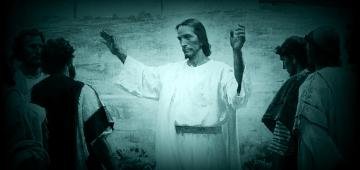 |
Gospel of Mark 6. 7-13Christ called His 12 disciples and sent them to preach giving them the power against evil spirits and He commanded them not to take anything more than a stick for the road – neither a bag, bread, money, nor a n extra rob, and only to wear slippers. And if they don’t get respective honor and acceptance, they should shake the dust off and leave. |
 |
guest: Tigran KhzmalyanRev. Fr. Zargarian hosts filmmaker Tigran Khzmalyan. He addressed the historic lessons and meaning of Sardarapat battle in his documentaries “Sardarapat” and “Sardarapat Deja vu”. The past which was forgotten or not realized, come back againa and again; the victories and defeats need to be remembered. |
 |
The Art of Sargis MuradyanThe painting of Sargis Muradyan has its unique place in the history of Soviet Armenian painting. In 2014, a gallery named after the painter, opened its doors in Yerevan. Hayk Hambardzumyan spoke about the operation of Museum, specifics of the painter’s art with the founder of museum Zaruhi Muradyan. |
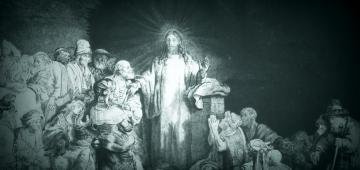 |
Gospel of Mark 6. 1-6“Jesus left there and went to his hometown, accompanied by his disciples. When the Sabbath came, he began to teach in the synagogue, and many who heard him were amazed. “Where did this man get these things?” they asked. What did Christ teach in Nazareth, why was he amazed at people’s unbelief, and why his own locals didn’t accept Him? |
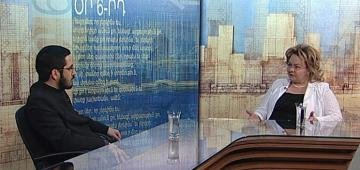 |
guest: Arevik PetrosyanWhat are the constitutional reforms for? What is the central significance of Constitution? |
 |
100th anniversary of Defense of Van100 years ago, around these days, the heroic defense of Van was finalized with victory. It aided more than 150000 Armenians escape from otherwise inevitable massacres and proved that any enemy can be suspended by courage, national unity and trust in weapon. However, when speaking about what happened 100 years ago, we first place remember the Genocide, rather than local heroic victories. How the defense of Van was made possible? What did it bring about? Hayk Hambardzumyan spoke about these issues with historian Suren Sargsyan. |
 |
Gospel of Mark 5. 21-43The verses 21 through 43 in Chapter 5 of the Gospel of Mark refer to the daughter of Jairus, as well as the passages on the bleeding woman from the Gospel. Who was Jairus, how did Christ heal her? What was the reply to the bleeding woman, who came nearer to Him? Father Markos Mangasaryan provides explanations. |
 |
Writers Victimized at GenocideEncyclopedia-anthology “Writers Victimized at Genocide” was published, which covers the compositions of renowned and unknown Armenian writers victimized at Genocide, the bibliography of their books, as well as biographies. What was the Western Armenian literary-cultural reality like before these tragic events, why so we know so few of the victimized writers today, how did the Western Armenian literary life develop after the Armenian Genocide?
|
 |
guest: Vladimir VardanyanRev. Fr. Ruben Zargarian talks with Vladimir Vardanyan, expert of the Constitutional Court of Armenia on the condemnation and recognition of the Armenian Genocide in the context of international law. |